


Ever wondered…
🦁 Why a lion hunts a zebra?
🐟 How plants, fish, and birds are all connected?
☀️ Or why the Sun is called the ultimate source of energy for life on Earth?
The answer is found in the Food Chain and Food Web, one of the most important topics in the Primary 6 Science syllabus.
This guide will help you understand energy flow, predator-prey balance, and why protecting our environment keeps food chains strong. Perfect for PSLE Science revision and curious parents too!
What is a Food Chain?
A food chain shows how energy passes from one living thing to another.
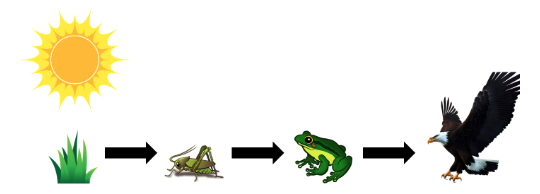
👉 Example: Sun → Grass → Grasshopper → Frog → Eagle
- Producers (plants) make their own food using sunlight
- Consumers (animals) eat plants or other animals
- Decomposers (fungi, bacteria) break down dead matter, returning nutrients to the soil
What is a Food Web?
In real life, animals eat more than one type of food. That means energy flows in a web, not just a straight line.
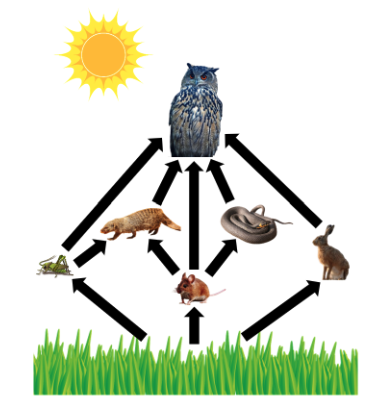
A food web is made up of many interconnected food chains in the same habitat.
Example: In a pond, fish may eat insects, algae, or even smaller fish!
💡 PSLE Tip: Food webs are more realistic than food chains because they show multiple feeding relationships.
Predator and Prey — Nature’s Balance
- Predator = hunts and eats other animals (lion, eagle)
- Prey = the animal that gets eaten (zebra, rabbit)
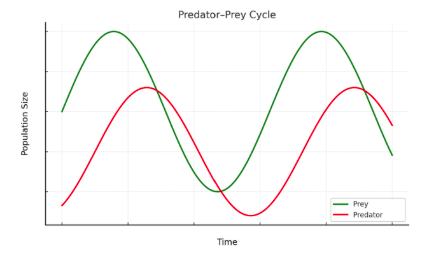
Why does this matter?
- If predators disappear → prey population grows too big → plants may be over-eaten.
- If prey disappears → predators may starve.
👉 Nature works best in balance.
The Energy Pathway — From Sun to You!
All energy in a food chain starts with the Sun.
- Sunlight → plants make food (photosynthesis)
- Herbivores eat plants → gain stored chemical potential energy
- Carnivores eat herbivores → gain energy
- Decomposers recycle nutrients back into the soil
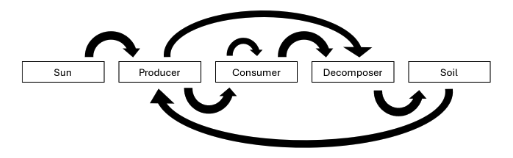
💡 Every bite of food you eat traces back to the Sun!
Why Food Chains & Food Webs Matter
If humans harm the environment — by cutting forests, polluting rivers, or overfishing — we break food chains and food webs.
That can lead to species disappearing forever.
Learning about food chains helps us protect biodiversity and keep ecosystems healthy.
FREE Food Chain & Food Web Worksheet (Primary 6 / PSLE Science)
To help you revise, grab this free worksheet packed with:
✅ Fill in the blanks
✅ Multiple choice questions
✅ Match the columns
✅ Short answer questions
👉 Download: Primary 6 Food Chain and Food Web Worksheet (PDF)
Perfect for Primary 6 Science practice and PSLE exam prep.

Responses